



What to do in case of a water leak and how to prepare for room drying
A water leak in a room can be a stressful experience that requires quick and correct action. In addition to immediate damage limitation, effective drying is crucial to prevent mold growth, structural damage, and long-term costs. This guide will help you understand what to do immediately after a water leak and how to optimally prepare for the arrival of room drying specialists.
By town
Immediate action in case of a water leak
When a water leak occurs, it is important to remain calm and act quickly. The first step is to stop the water source, if possible. Close the main water valve or the valve for the affected appliance. Then, turn off the electricity in the affected area to prevent electric shock. Remove valuable items, furniture, and carpets from the water to minimize damage. Start removing standing water as soon as possible, for example, with buckets, cloths, or wet vacuums.
Why professional drying is essential
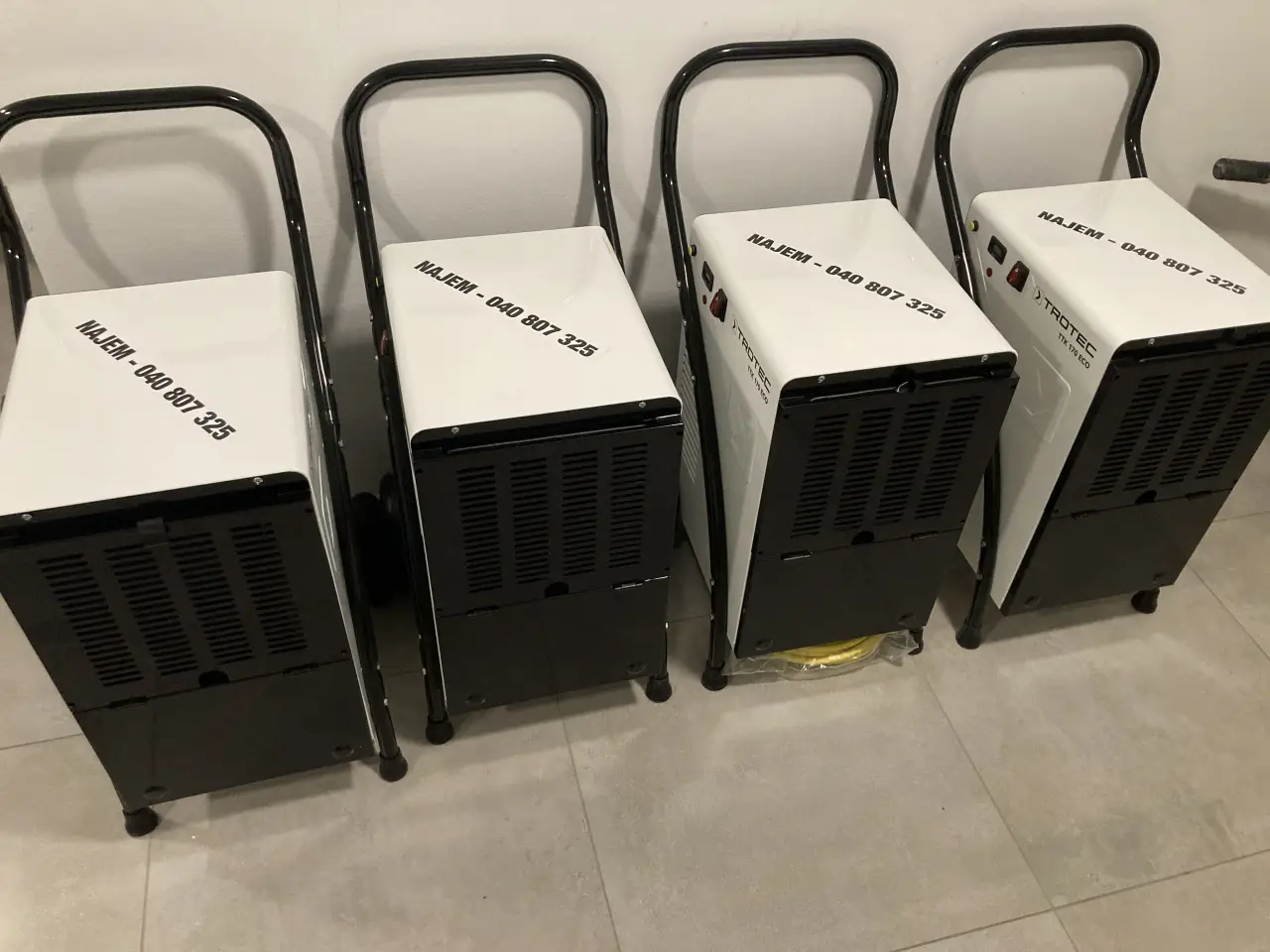
Even if the surface appears dry, moisture often remains in the walls, floors, and insulation, creating ideal conditions for mold and fungi growth. Professional drying contractors use specialized equipment, such as industrial dehumidifiers and fans, that penetrate deep into the structure and ensure complete moisture removal. This prevents long-term health problems and costly renovations that would be necessary due to incomplete drying.
Preparation for the arrival of specialists
Before the specialists arrive, it is helpful to be prepared. Ensure good access to the affected areas. Remove all obstacles, such as furniture, carpets, and personal items, to allow for easy equipment setup. Also, prepare all information about the event, including the time of the leak, the estimated amount of water, and any measures already taken. This will help the specialists assess the situation more quickly and efficiently.
What to tell the drying specialist
When the specialist arrives, provide them with as much detailed information as possible. Tell them where the water leak originated, how long the water stood, and which materials were affected. Also, mention if you have already tried to dry anything yourself and with what success. Show them all affected areas, including those that may not be obviously wet. This will allow the specialist to prepare an accurate drying plan and use appropriate equipment.
Drying process and monitoring
Specialists will first assess the extent of the damage and measure the moisture level. Then, they will install industrial dehumidifiers, fans, and, if necessary, heaters to speed up the drying process. It is important that the equipment operates continuously until the optimal moisture level is reached. Specialists will regularly check progress and adjust equipment as needed. Be prepared for the process to take several days or even weeks, depending on the extent of the damage.
Choosing the right drying provider
Choosing a reliable and experienced provider is crucial for successful drying. Check the company's references and experience in room drying. It is important that the provider uses modern and efficient equipment and has trained personnel. On platforms like Easy24Service, you can find verified providers who offer services at a predetermined price, allowing for transparency and easy booking without collecting quotes.
Checklist
- Stop the water source, if possible.
- Turn off the electricity in the affected area.
- Remove valuable items and furniture.
- Remove standing water.
- Call a drying specialist.
- Prepare access to the affected areas.
- Prepare information about the event.
- Follow the specialist's instructions.
Services you can book right away
FAQ
How quickly do I need to act after a water leak?
As quickly as possible, ideally within the first 24-48 hours, to prevent mold growth and long-term damage.
Can I dry the room myself?
For minor leaks, you can try, but for larger leaks and deep moisture, it is recommended to hire specialists.
How long does room drying take?
Depending on the extent of the damage, usually a few days to several weeks.
Do I need to remove all furniture?
It is recommended to remove everything that has been in contact with water to prevent further damage and allow for effective drying.
What happens if I don't dry the room properly?
Mold growth, structural damage, unpleasant odors, and long-term health problems can occur.